
Cooking every single meal yourself? Exhausting. And let’s be honest, it gets ridiculously expensive.
But what if you didn’t have to do it alone?
When neighbors actually share the heavy lifting, things change fast. Community kitchens and food resilience naturally go together. This isn’t just about sharing a nice casserole. It is about actively protecting your neighborhood against an overpriced, broken food system.
What is a Community Kitchen?
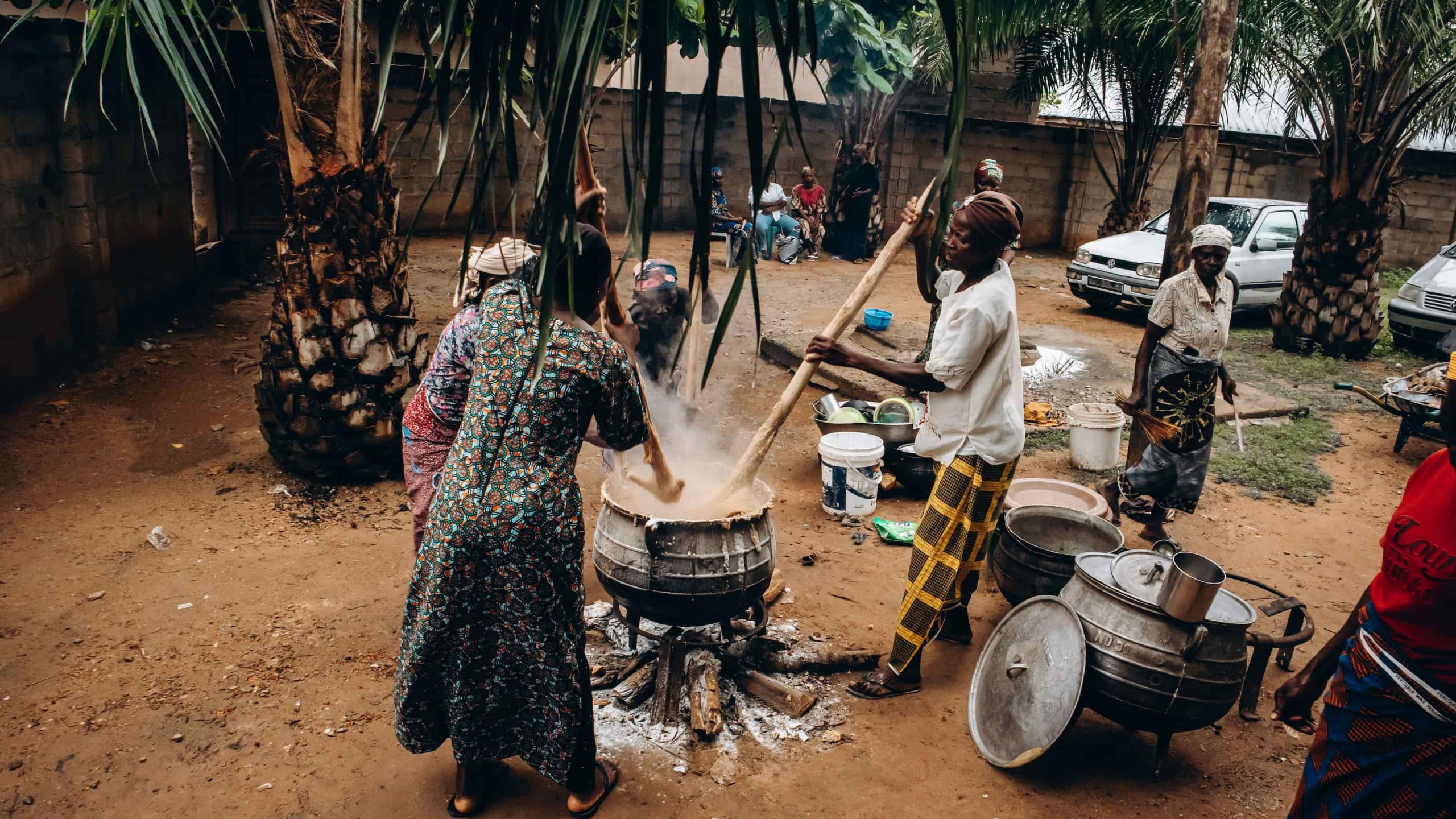
It is exactly what it sounds like. A shared space where people meet up to cook together.
Usually, you find them in a local church, a community center, or even a school cafeteria after hours.
A group of people pool their grocery money. They buy raw ingredients in massive bulk. Then they spend a couple of hours chopping, roasting, talking, and getting the work done.
At the end of the night, everyone goes home with a week’s worth of prepped, healthy meals. It is brilliant.
Reducing Food Costs and Waste Through Collective Cooking
Grocery prices are a joke right now.
If you cook for just yourself, you know how it goes. You buy a whole head of celery for one recipe. You use two stalks. The rest slowly turns to mush in the fridge drawer. Total waste of money.
Cooking collectively stops that immediately.
When you cook for twenty people, you buy the 50-pound sack of potatoes. You use every single carrot. Absolutely nothing hits the trash can. Buying in true bulk slashes everyone’s grocery bill drastically.
Sharing Cooking Knowledge Across Generations
We are losing our basic cooking skills.
Relying on takeout apps makes us completely dependent on massive companies to feed us. That is a highly vulnerable spot to be in.
But put a 70-year-old grandmother and a 22-year-old college student at the same prep table? Magic happens. Older folks know how to stretch cheap ingredients into a massive feast. Younger people bring fresh energy and new flavors. The kitchen turns into a classroom without any egos involved.
Supporting Vulnerable Households with Local Food Initiatives
Lots of people are just one bad week away from an empty pantry.
Traditional food charity is necessary. But it can feel awful. Nobody likes standing in a handout line.
Community kitchens flip the entire script and strip away the shame. You aren’t getting a charity box. You are just a neighbor chopping onions next to another neighbor. Everyone contributes to the effort, even if it is just washing pots at the end. It keeps human dignity intact.
Connecting Community Kitchens with Gardens and Food Banks
These kitchens become the absolute engine of a local food system.
Think about a neighborhood garden in August. They always have way too many tomatoes. Instead of letting them rot, those veggies go straight to the shared kitchen.
The same applies to food banks. They often get weird bulk donations that a single family can’t reasonably use. A smart cooking group can take twenty random cans of beans and turn them into incredible chili for the whole block.
How to Start a Small Community Kitchen Project
Don’t overthink this. You absolutely do not need a grant or official non-profit status.
You literally just need a kitchen that passes basic health codes. Look for community spots that sit empty on weeknights. Grab a few friends, pool some cash, and pick a couple of easy recipes.
| Step | How to Make it Happen | The Cost |
|---|---|---|
| Get a Space | Talk to local churches or community centers. | Mostly free. Sometimes a small donation. |
| Pick the Food | Choose bulk-friendly stuff. Think big pots of chili or curry. | Depends entirely on the food. |
| Get the Cash | Everyone throws in twenty bucks upfront. | Super cheap per person. |
| Split the Work | Divide the grocery run, the prep work, and the dishwashing. | Just your time and energy. |
Start small. Master the process with five people before you invite the whole block. Logistics get messy fast if you scale up too quickly.
Frequently Asked Questions
Do we need a real chef? Nope. You just need folks who can follow directions and not cut their fingers off while dicing onions.
What about liability insurance? Venues like churches usually already insure their own kitchens. Just double-check with them before you fire up the ovens.
What if someone can’t afford their share of the groceries? That’s the beauty of doing this together. The group quietly covers it. Those who have a little extra subsidize the folks who are struggling this month.
Food as a Foundation for Connection and Resilience
Food really only does one of two things.
It isolates us in a drive-thru lane. Or it brings us together at a table. We desperately need more tables right now.
Real local resilience isn’t about hoarding canned goods in a basement. It’s about actually knowing the people on your block. It means making absolutely sure your neighbors have dinner tonight.
Find a kitchen. Grab a cutting board. Start building.
Leave a Reply