
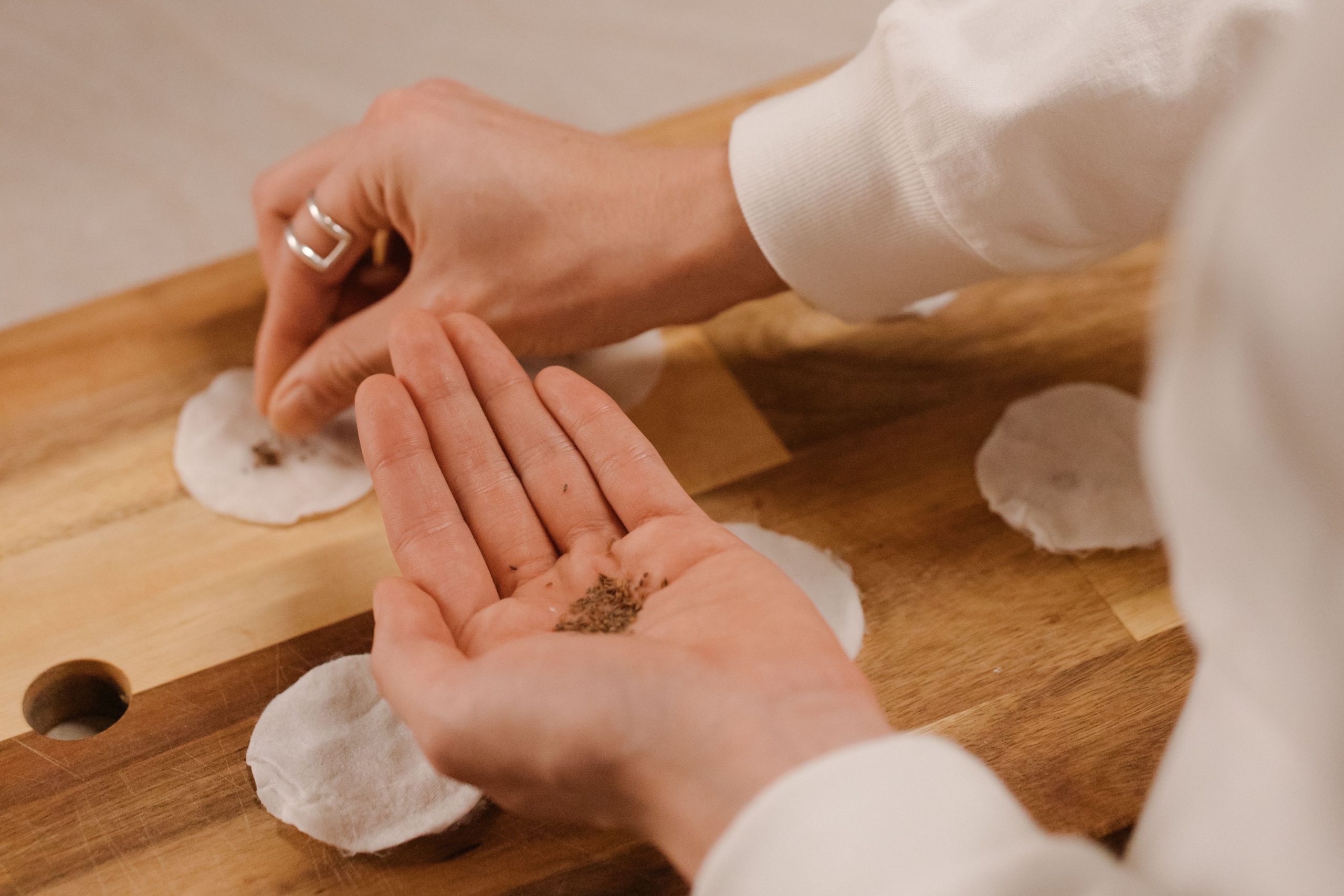
Ever bought a pack of seeds, planted them, and watched them completely fail?
It is maddening. But here is a hard truth: relying on massive corporations for our seed supply is a recipe for disaster. When you buy generic seeds from a mega-store, you are getting genetics built for commercial shipping, not your local dirt.
Local food security starts with seed sovereignty. If you do not control the seeds, you do not control your food. Period.
That is why local growers are bypassing the system entirely. We are building community seed libraries, and it is the only real way to secure our food supply from the ground up.
What Is a Community Seed Library?
It works exactly like a public book library. But instead of returning a paperback, you return seeds.
You take a packet of seeds in the spring. You plant them. You let your absolute best, strongest plants go to seed at the end of the season. Then, you harvest those seeds and bring a portion back to the library.
It runs entirely on trust. Nobody is scanning a barcode or hitting you with late fees.
And the math is staggering. One single bean plant can produce a hundred seeds. A handful of donated seeds easily turns into thousands by year two. It is a completely self-sustaining loop.
Why Seed Saving Supports Food Sovereignty
Let’s stop pretending the global food chain is bulletproof. It isn’t.
True food sovereignty means a community actually decides how its food is grown. You cannot do that if you are chained to a seed catalog from three states away.
When you save seeds from plants that survived your specific local weather, your local bugs, and your local soil, you are actively breeding a superior crop. Those plants adapt. By the third generation, they will outperform anything you can buy in a commercial store.
It also stops the bleeding of crop diversity. Commercial farming relies on monocultures. We need resilience. Saving seeds locally guarantees those weird, ugly, but incredibly tasty heirloom varieties survive.
How to Start a Seed Library in Your Community
Do not overthink this. You do not need a massive grant, and you do not need a new building.
Find an old wooden card catalog, a filing cabinet, or even just some plastic organizers. Put them in a spot people can actually access easily—a community center, a church basement, or your actual public library.
The only strict rule? Keep the seeds cool, dark, and dry. Heat and moisture will destroy your inventory.
Labeling is also non-negotiable. If a seed packet does not have the plant name, variety, and harvest year, it is useless.
| Supply | What it does | Cost |
| Filing cabinet or card catalog | Holds the organized seed packets | Free (check local thrift pages) |
| Small coin envelopes | Used for distributing seeds | Dirt cheap |
| Labels & Sharpies | Tracks variety and harvest dates | Dirt cheap |
| Silica gel packets | Kills moisture in the storage drawers | Cheap |
Get volunteers immediately. Sorting hundreds of tiny seeds by yourself is a nightmare. You need a team to verify incoming seeds are actually dry before they ruin the whole stash with mold.
The Best Crops for Beginner Seed Savers
Listen, do not start with squash or corn.
They cross-pollinate on the wind and through bees. If you mess up, you will end up with a mutant, inedible vegetable next year. Stick to plants that self-pollinate.
Beans and peas are idiot-proof. Leave the pods on the vine until they turn brown and crispy. Crack them open, pull out the seeds, and you are done.
Tomatoes are another safe bet, though they require a tiny bit more effort. You have to squeeze the seeds into a jar of water, let it mold for a few days to eat away the gel coating, and then rinse them. Once they dry on a coffee filter, they are good to go.
Lettuce and basil are easy too. Let them bolt, wait for the flowers to dry out, and shake them into a paper bag. Master these before you try anything complicated.
Organising Seed Swaps and Learning Events
A seed library fails if it is just a quiet cabinet in a corner. It has to be an active hub.
Run a seed swap right before spring planting. Throw up some folding tables, play some music, and get people talking face-to-face. It forces gardeners to share what actually worked and what failed miserably.
You also have to teach people how to do this right.
Most people have no clue how to save seeds. If they bring back damp seeds, it ruins the library. Bring in a local expert to run a Saturday workshop. Show them how to ferment tomato seeds or hand-pollinate. Make it hands-on.
Building local food security is not a government project. It is a community project.
It starts in your backyard. Every seed you save is a direct pushback against a broken agricultural system. Stop relying on the big suppliers. Grab a box, save some bean seeds this summer, and hand them to your neighbor. Watch how fast it changes the way your town eats.
Leave a Reply